George Mossman’s Horse Drawn Vehicles
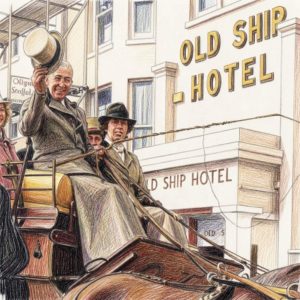
George Mossman collected, drove, restored and constructed horse-drawn vehicles for over fifty years.
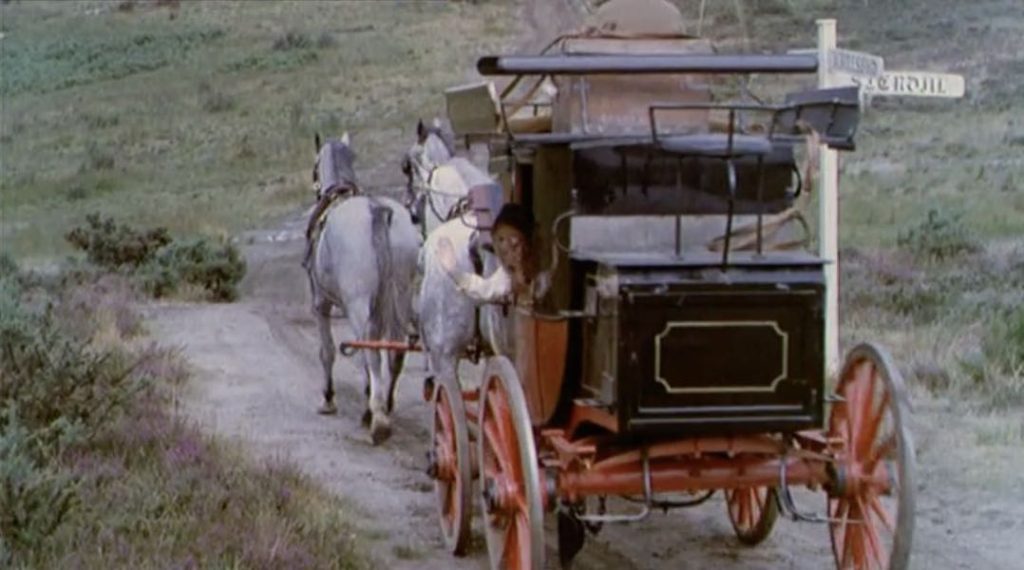
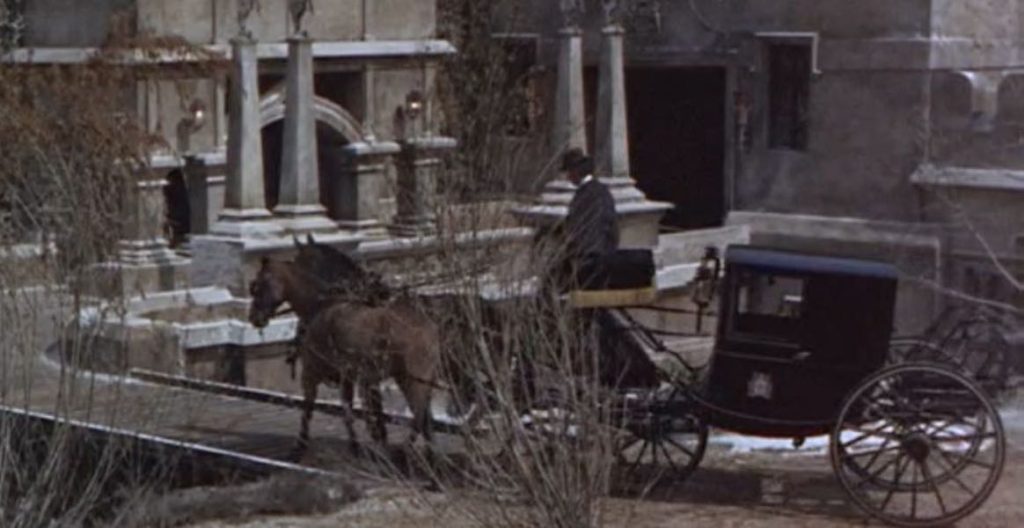
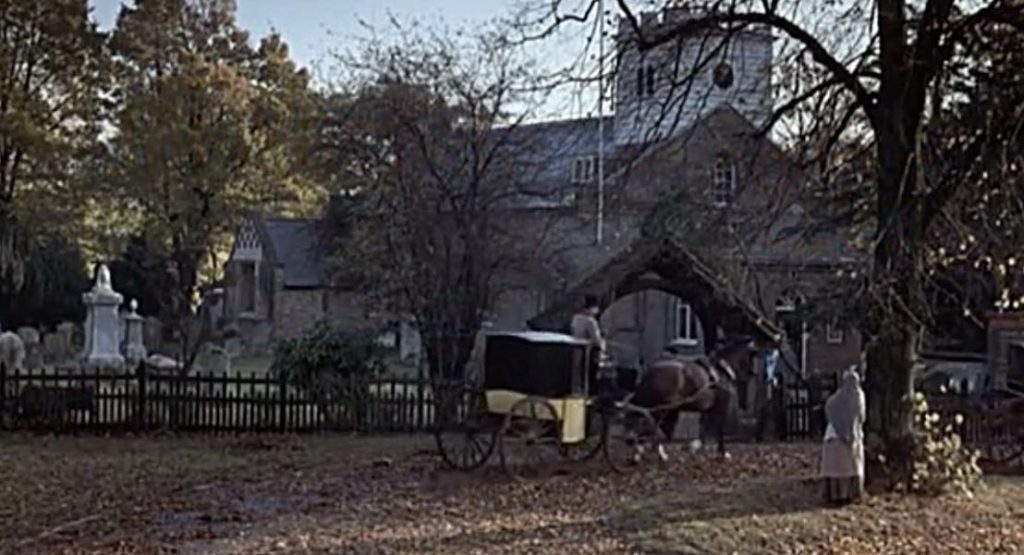
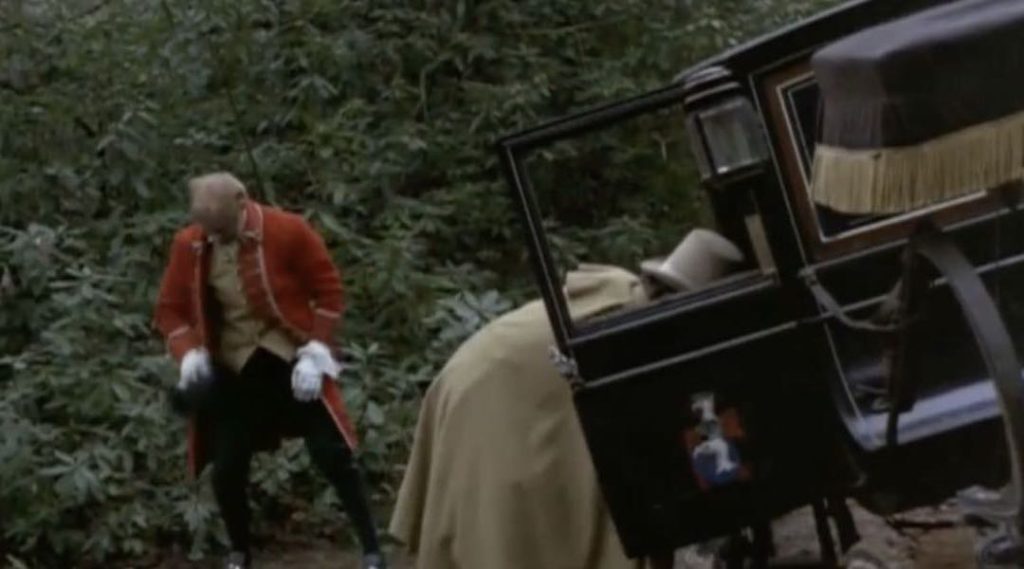
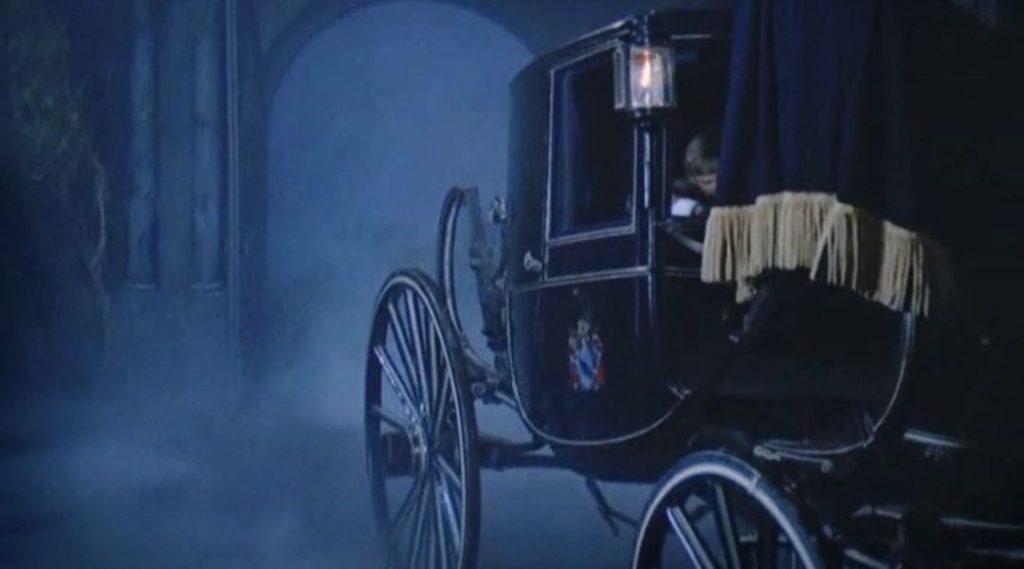
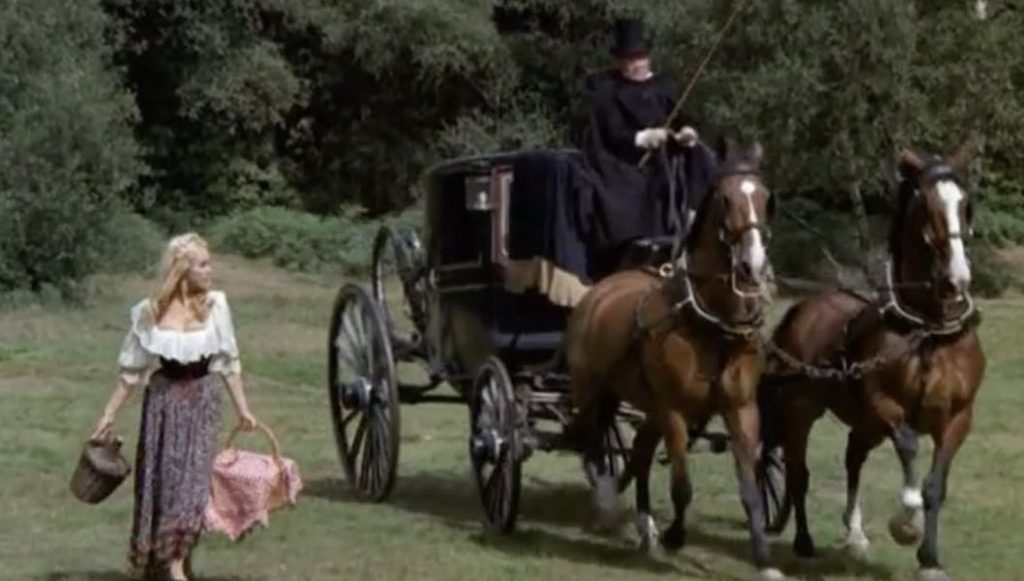
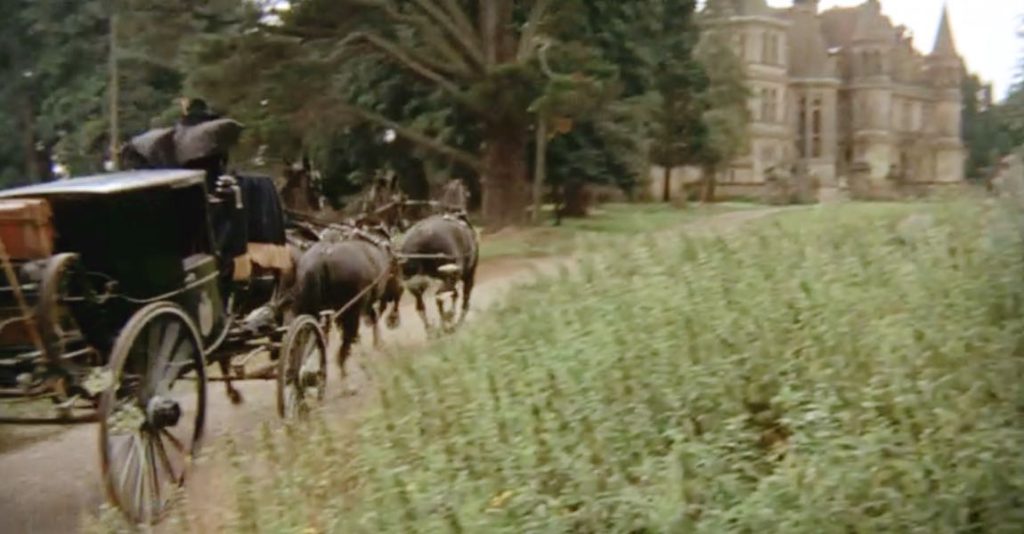
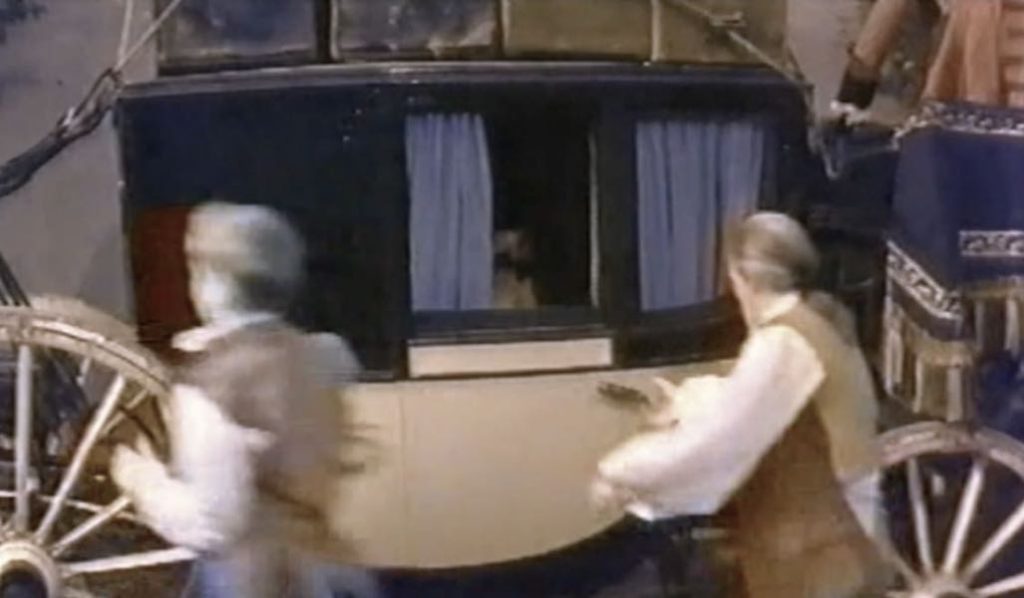
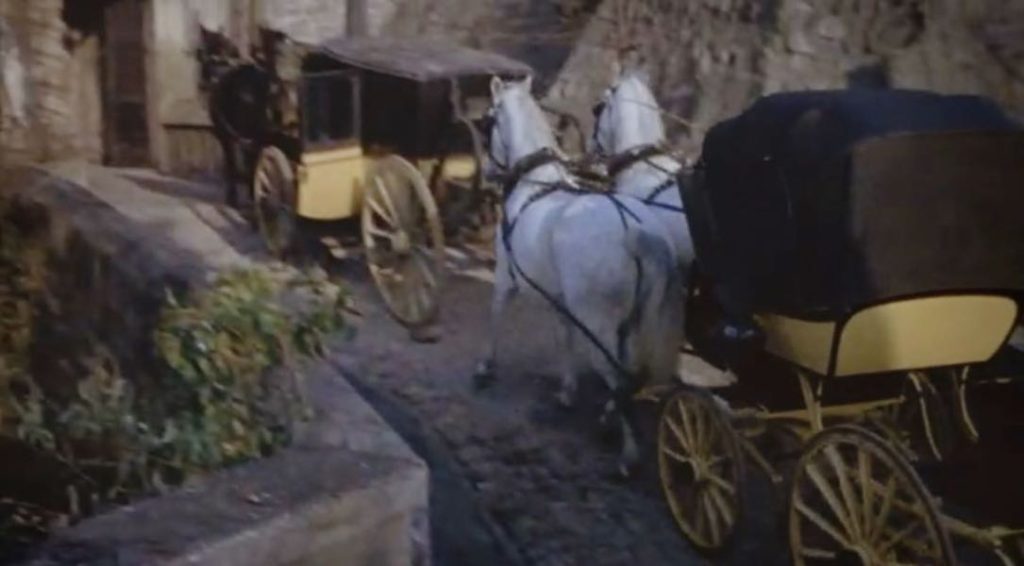
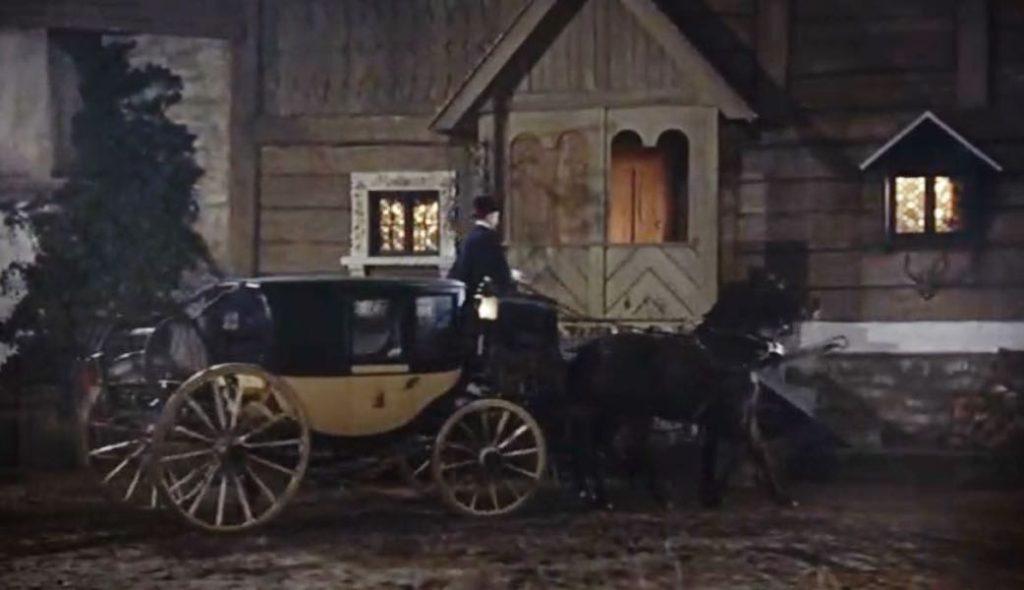
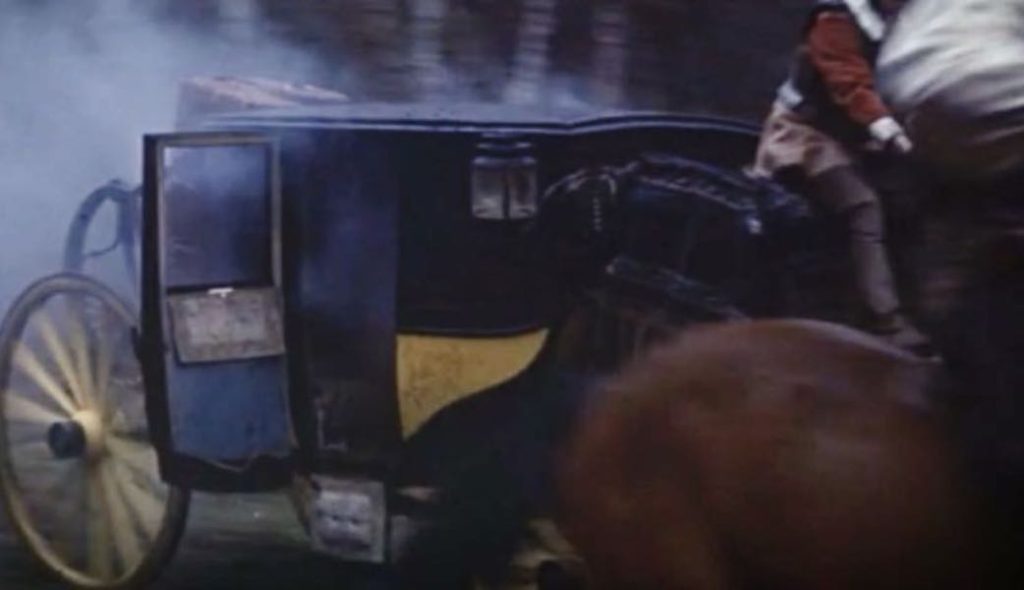
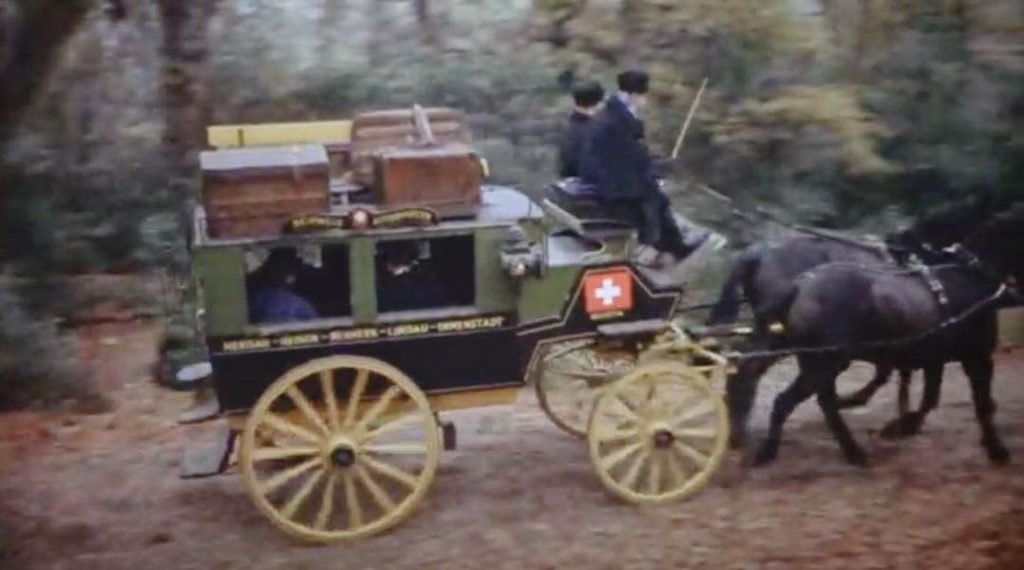
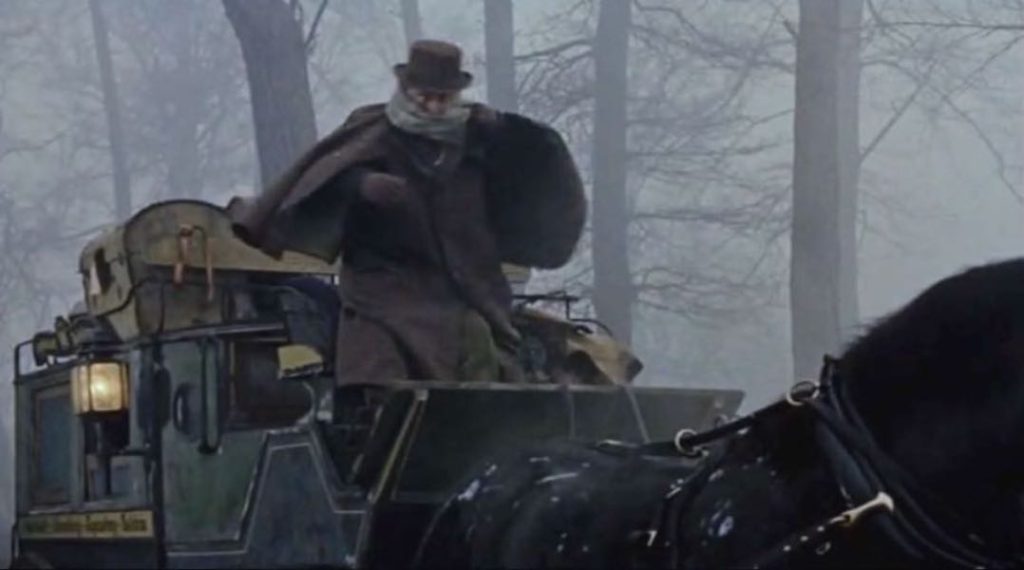
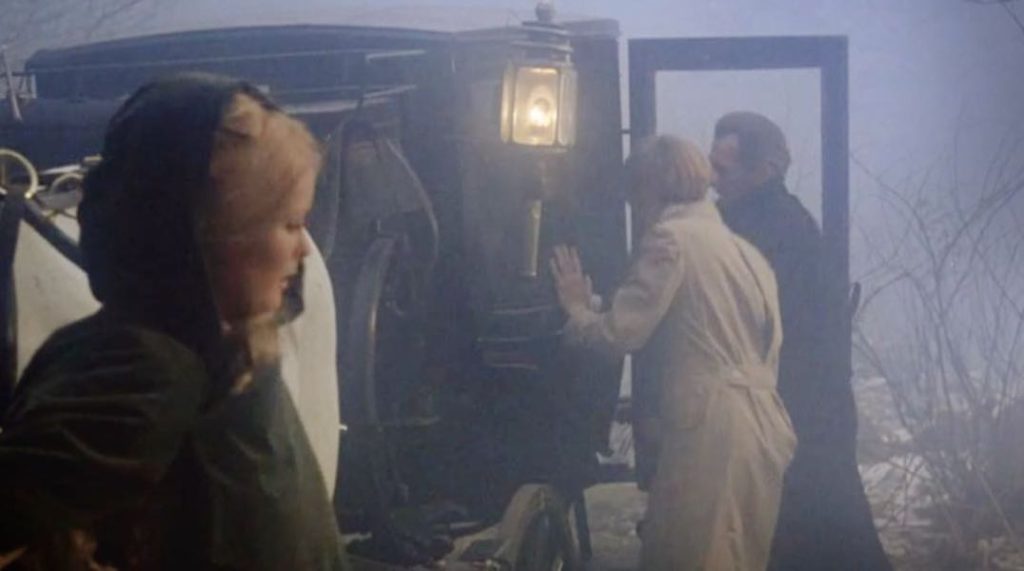
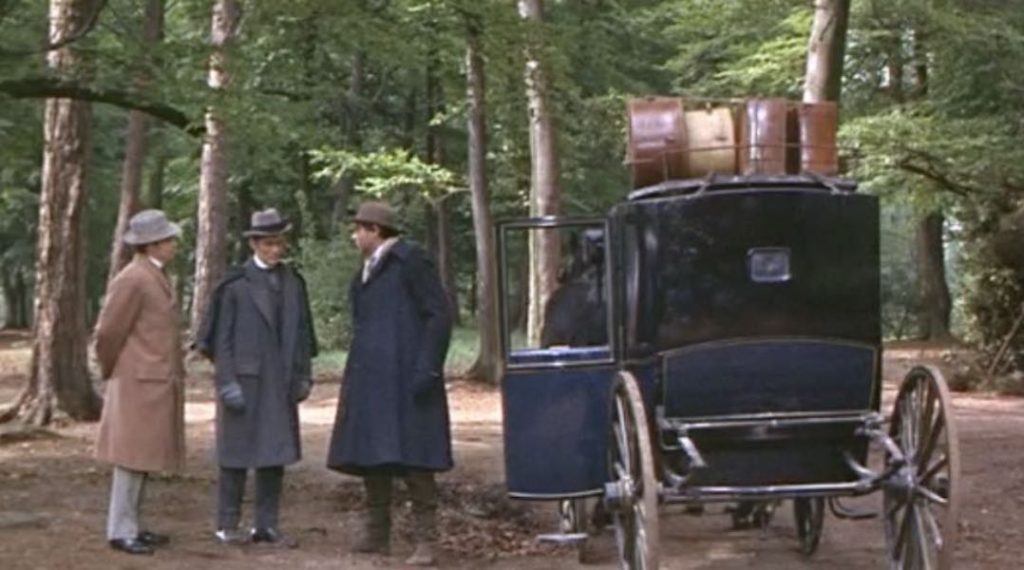
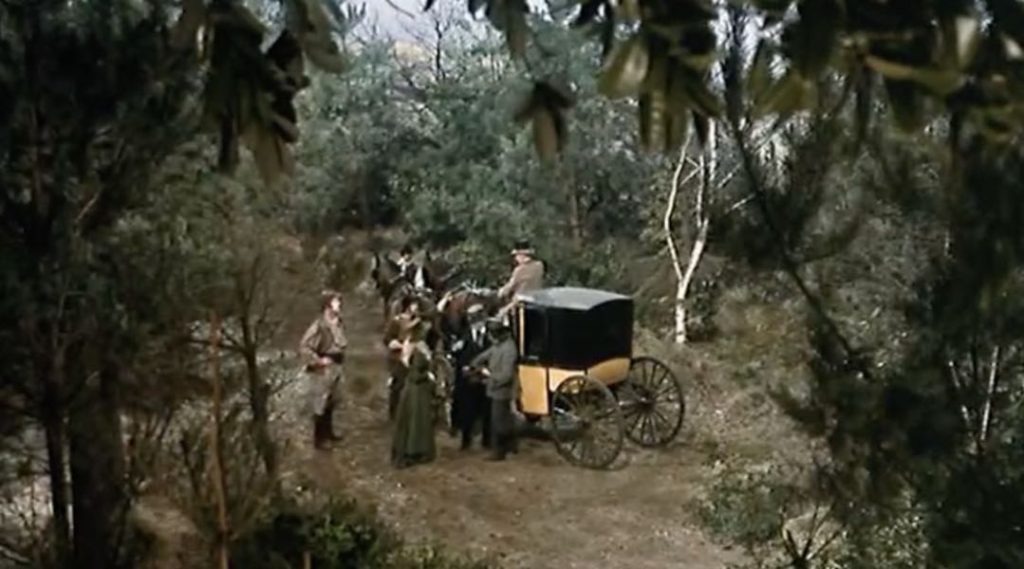
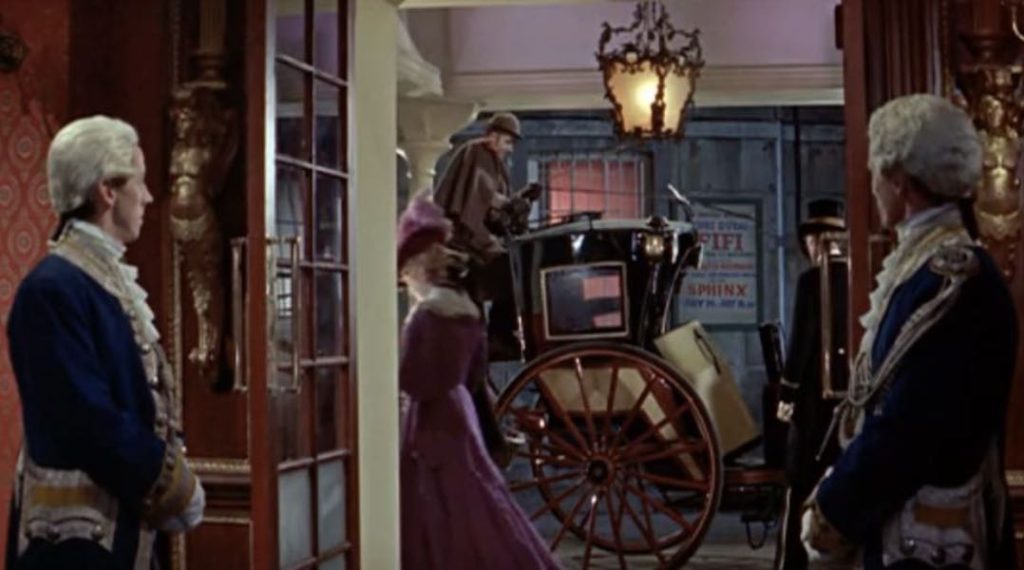
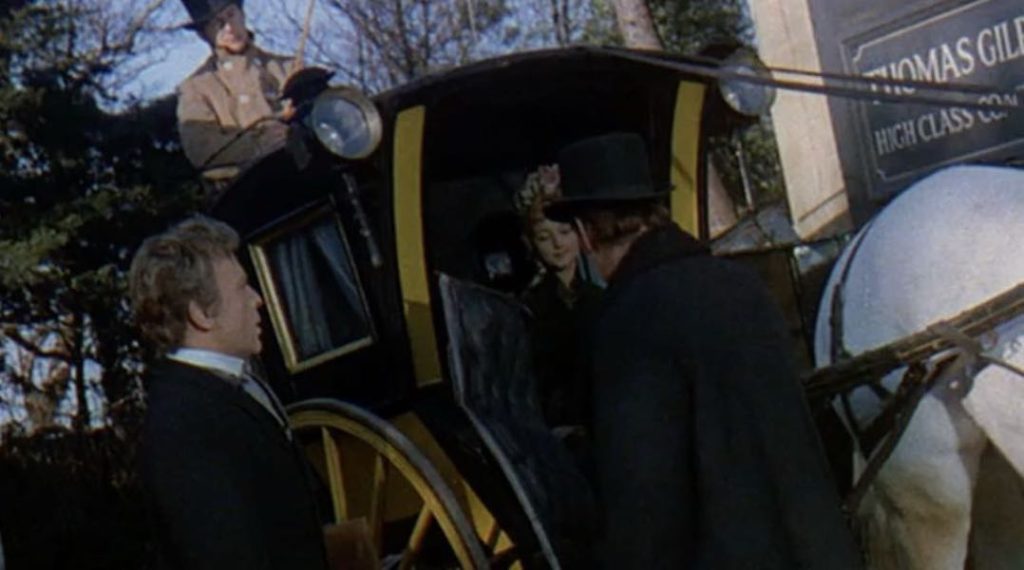
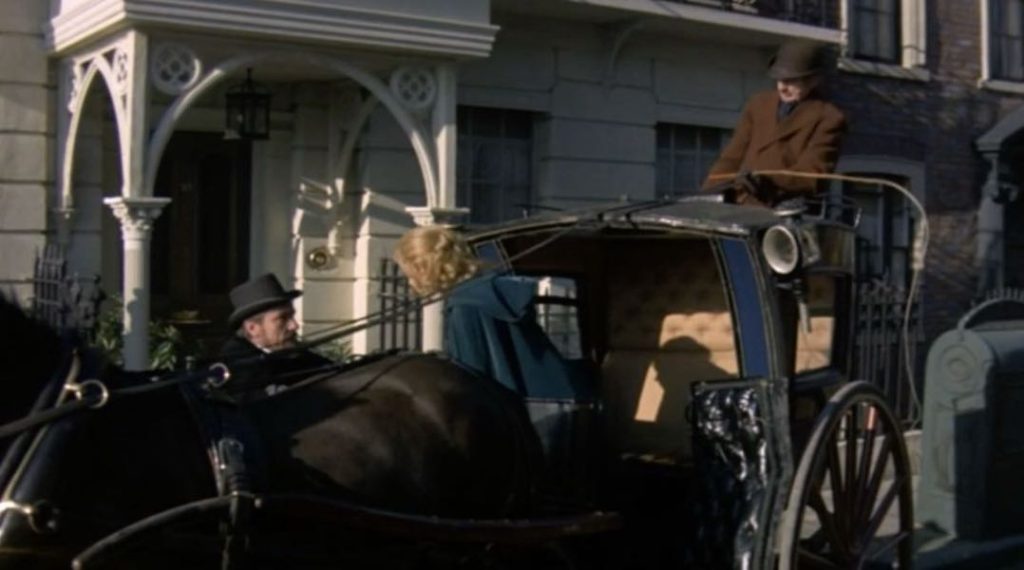
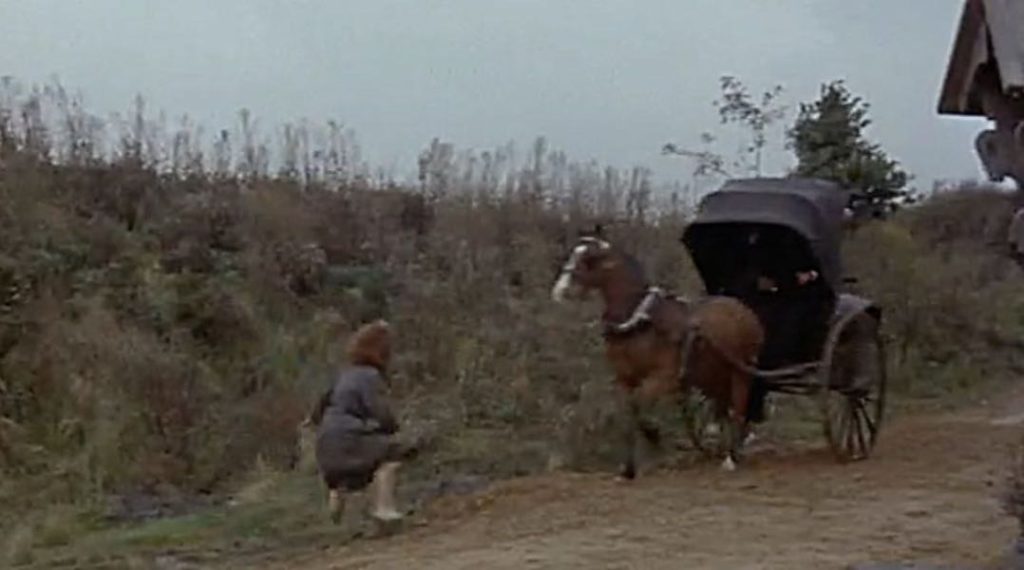
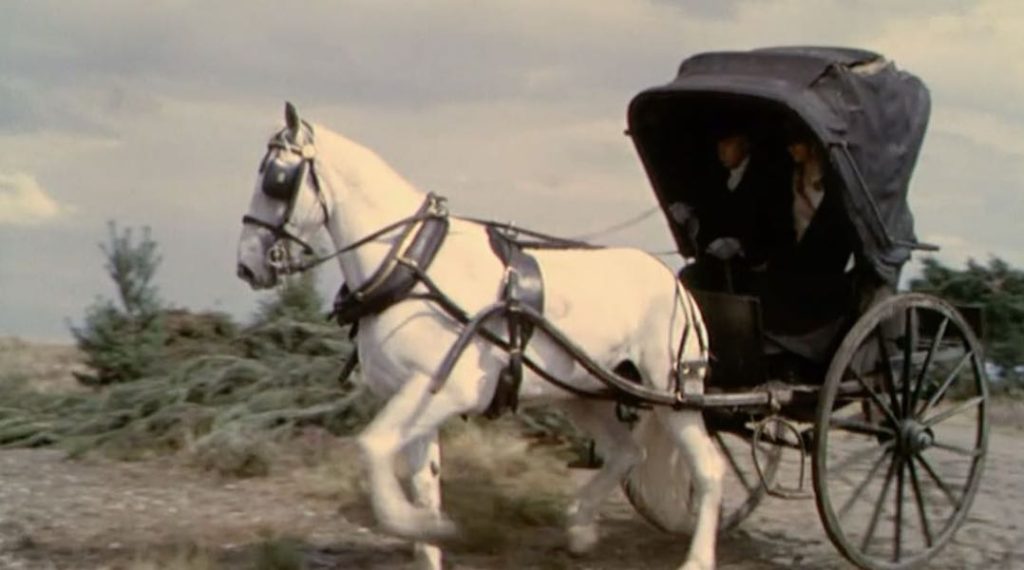
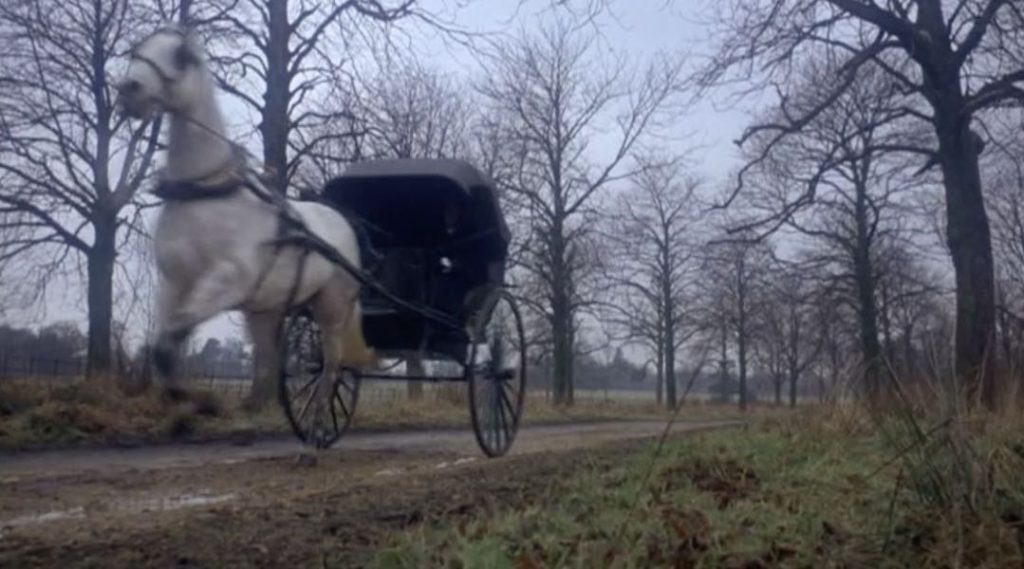
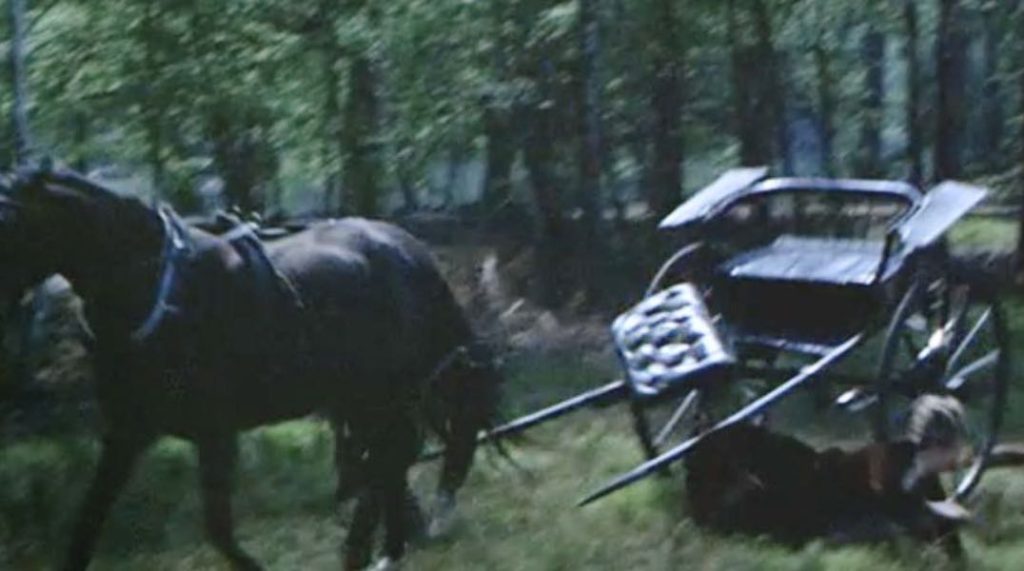
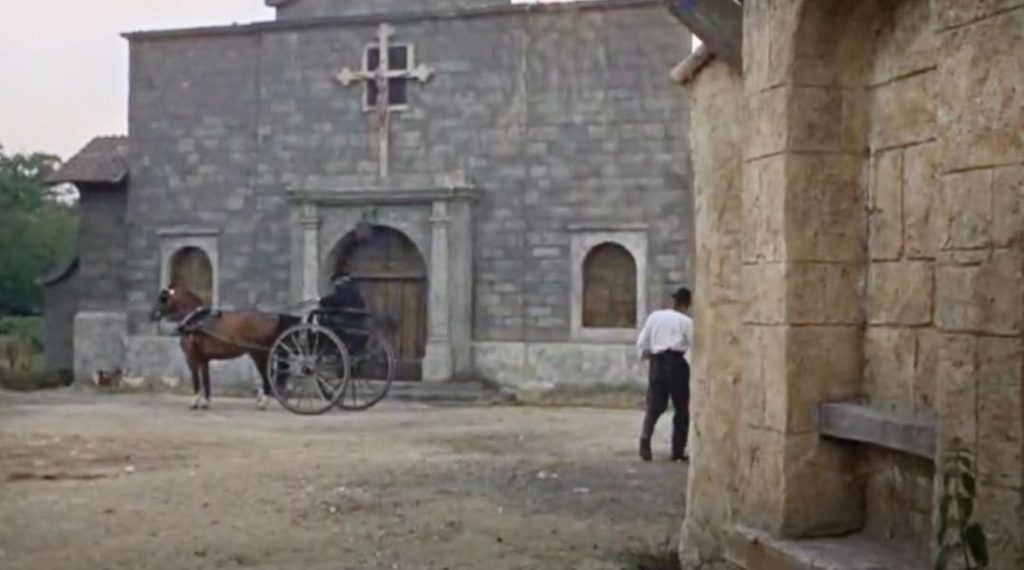
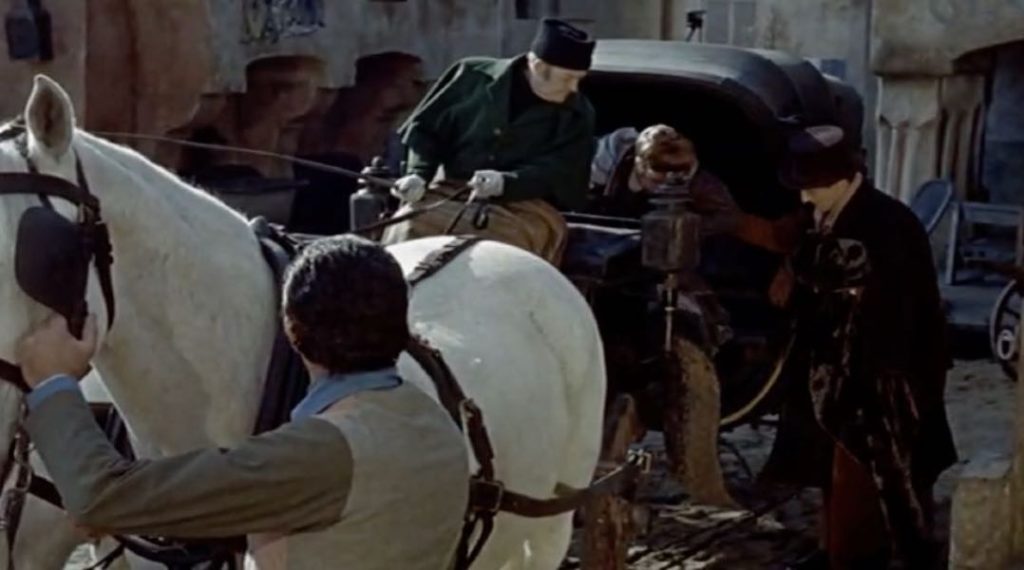
On leaving school, his love of horses led him to work in Panter’s butcher shop in Park Street, St Albans. This enabled him to work with horse-drawn vans, which delivered meat to customers. It also left him with a lifelong interest in horse-drawn transport, which he pursued in parallel with his farming and other business activities. Many were used in television productions and films including, amongst many others, Hammer’s Dracula (1958) and Frankenstein Created Woman (1967).
The Mossman carriage collection at Stockwell Park Luton, is the largest of its kind in the UK, and features many of the carriages used in Hammer productions.
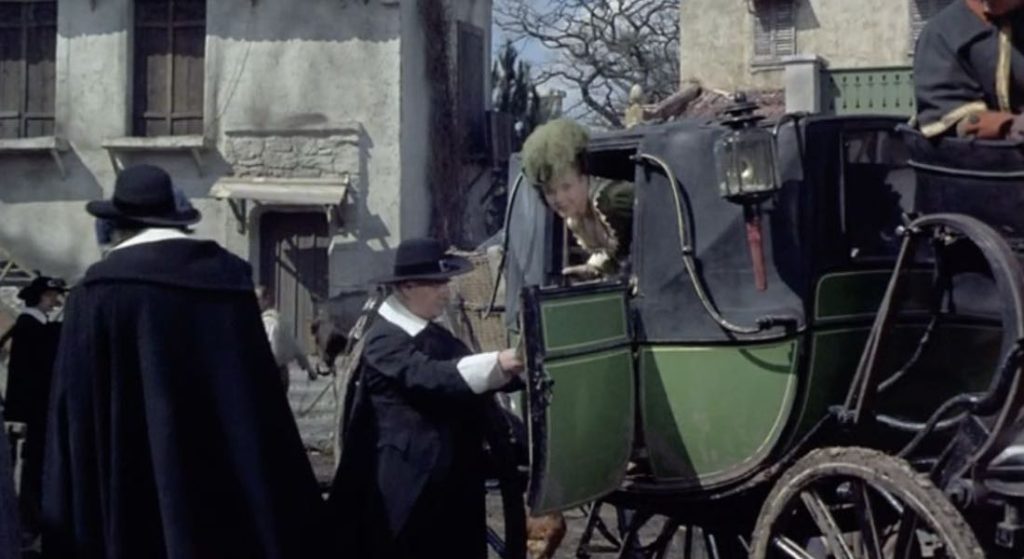
Travelling Chariot
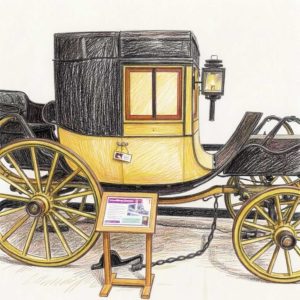
A travelling chariot from around 1790 refers to a luxury, enclosed, four-wheeled horse-drawn carriage designed for long-distance road travel and diplomacy in the late 18th century
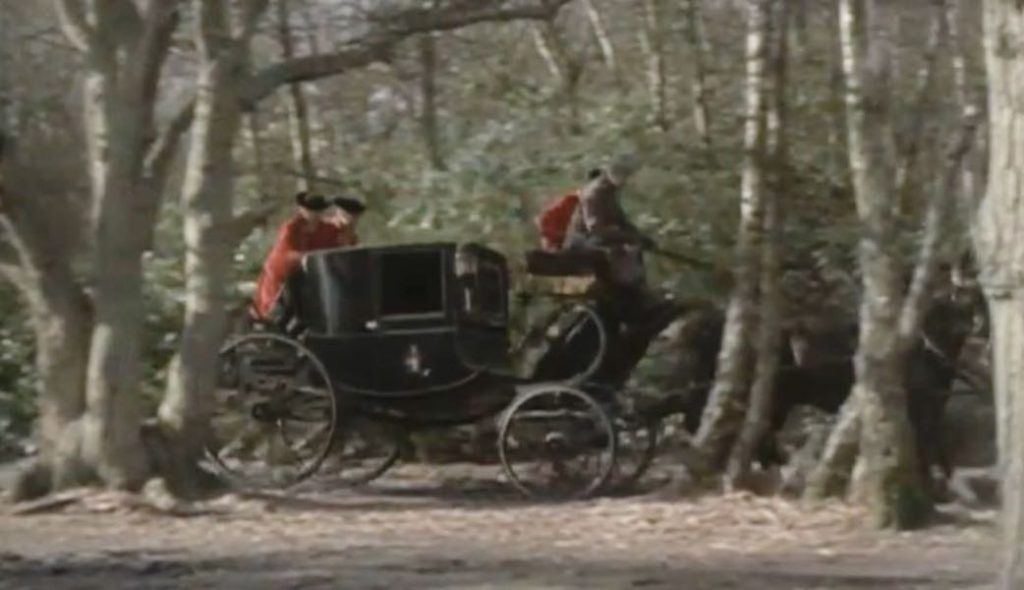
Town Coach
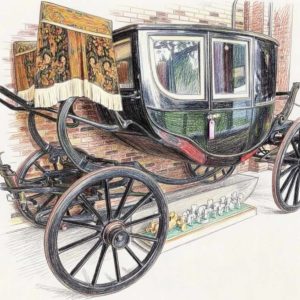
A town coach is a large, enclosed, four-wheeled, horse-drawn carriage built for urban travel, social calls, shopping, and evening visits among the upper class.
Station Omnibus
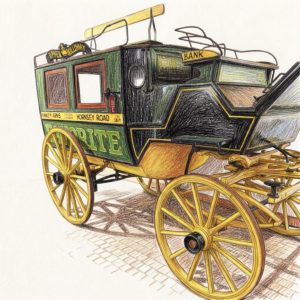
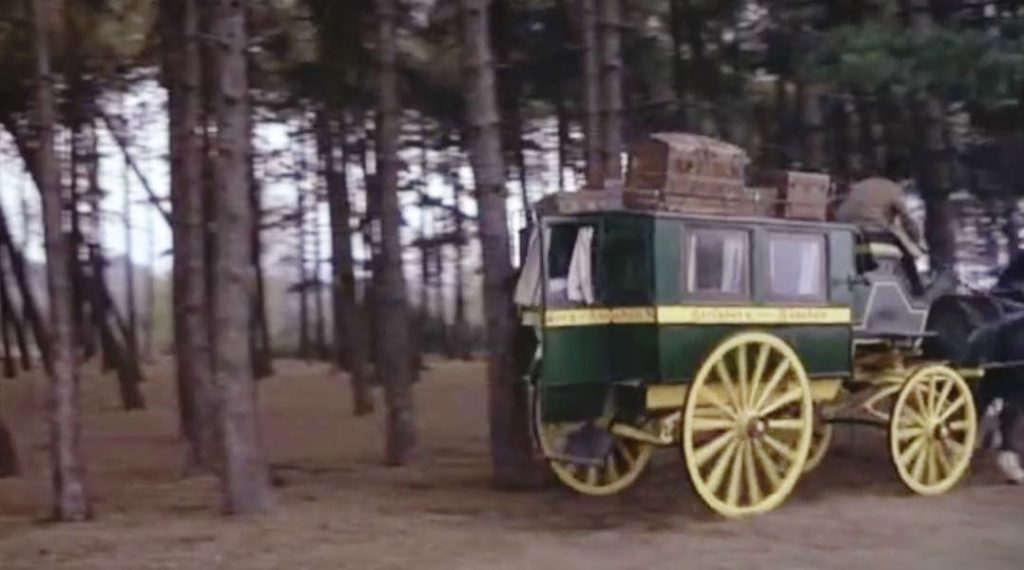
A “Station Omnibus” was a specialized type of horse-drawn omnibus designed primarily to transport passengers and their heavy luggage between private country estates and the nearest railway station.
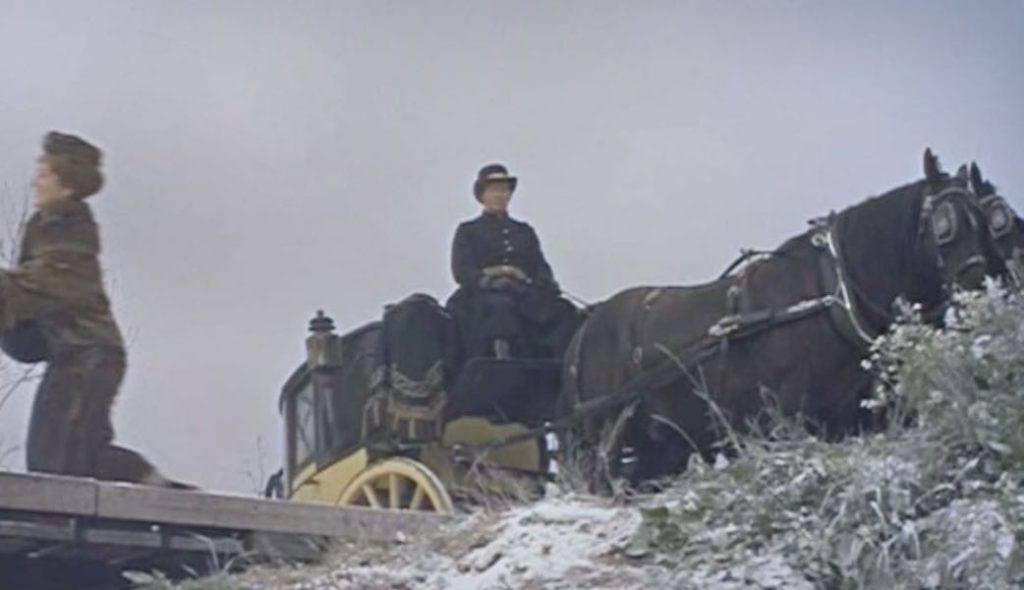
The Hearse
The Hearse, built by John Marston of Birmingham, was featured in Dracula (1958), Dracula has risen from the Grave (1968) and Taste the Blood of Dracula (1970).
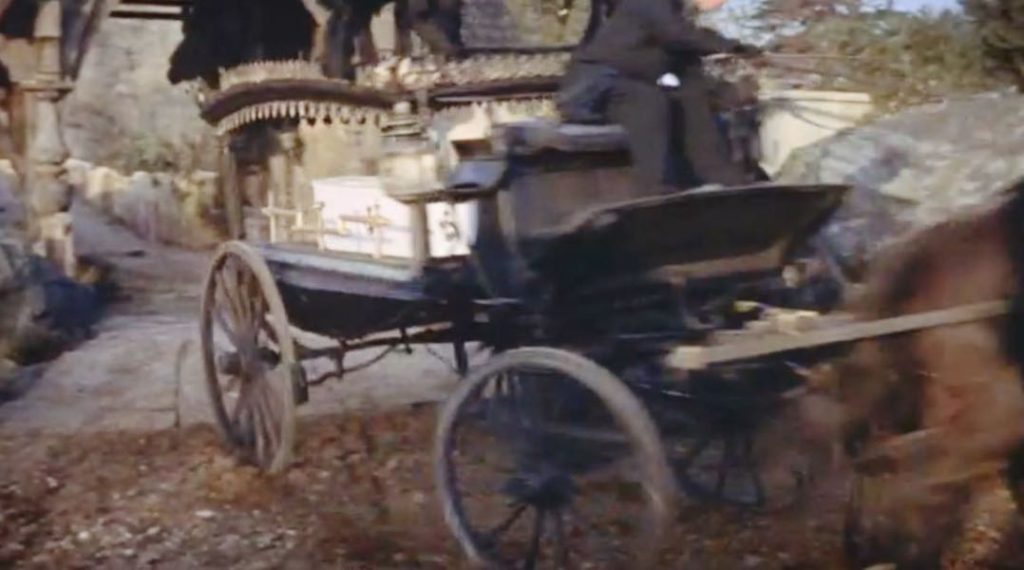
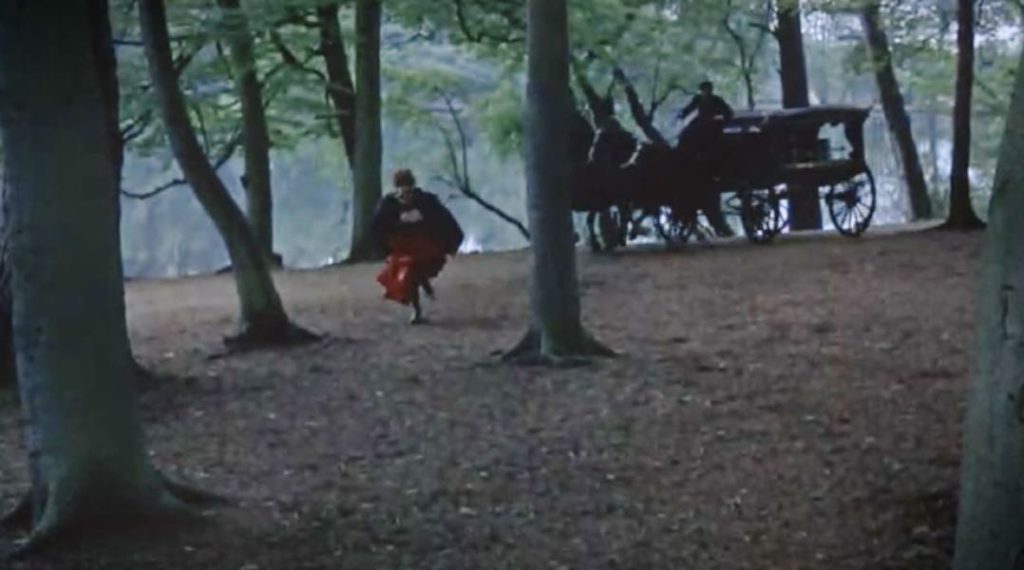
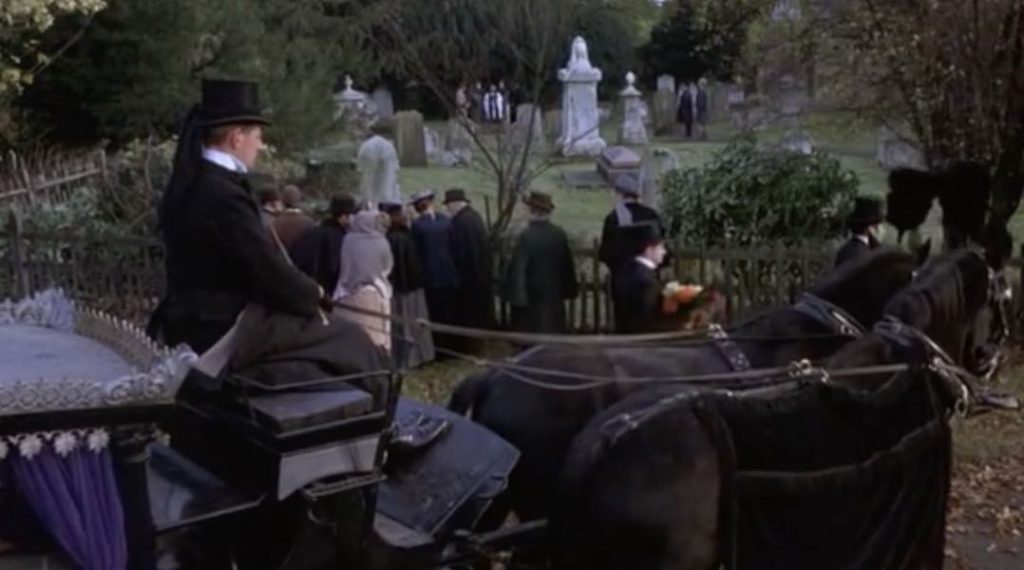
The Brougham
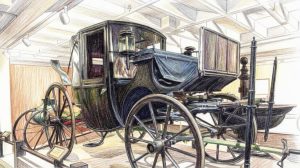
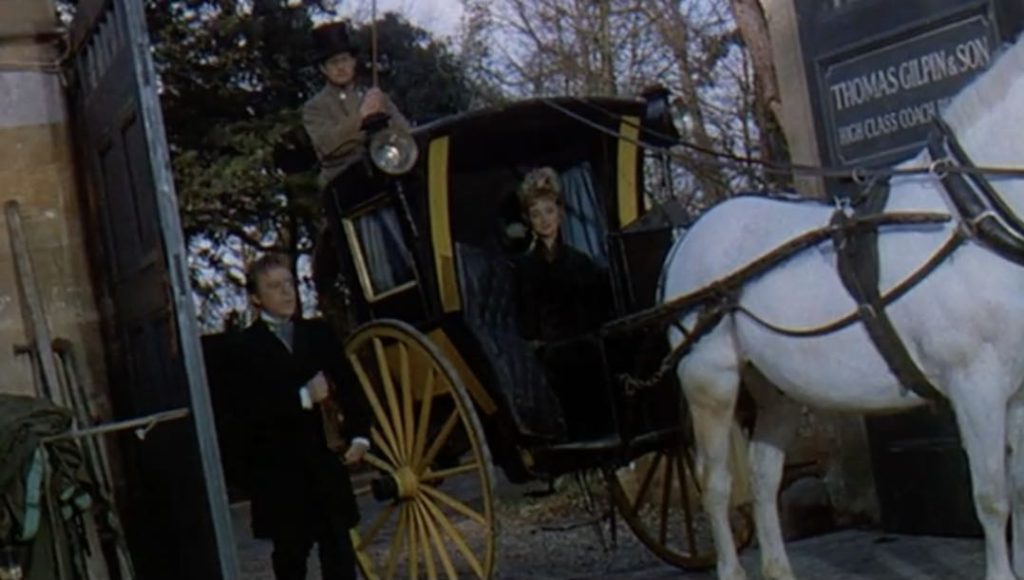
Built around 1860 and designed by Lord Brougham. It was often used by doctors and referred to as The Pillbox.
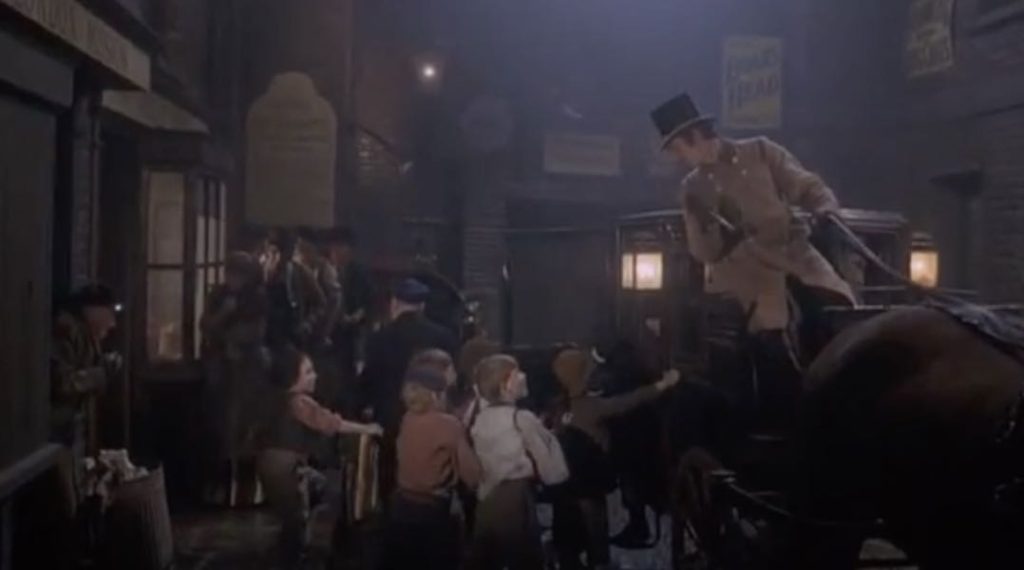
The Hansom Cab
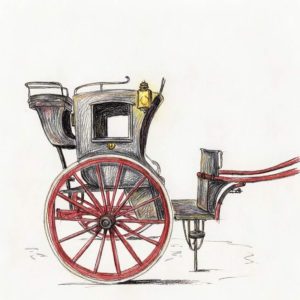
The Hansom Cab is a two-wheeled, horse-drawn carriage for hire that became the dominant form of urban taxi in cities like London during the 19th and early 20th centuries.
The Well Bottom Gig
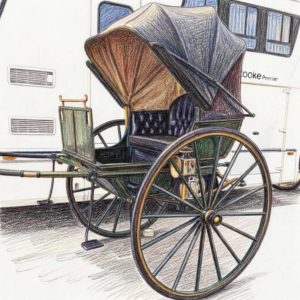
The distinguishing feature of a well-bottom Gig is that the floor (or “bottom”) of the vehicle’s body drops down in a lowered, well-like shape between the shafts and the axle.
Round Backed Gig
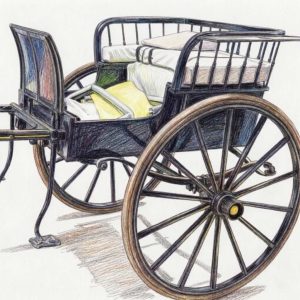
The Round Backed Gig is a two wheeled carriage that was a popular mode of transport for gentlemen to travel around town in during the 1860’s and 1870’s. It was well sprung and having a well upholstered seat meant it was a comfortable carriage.
Panel Boot Victoria
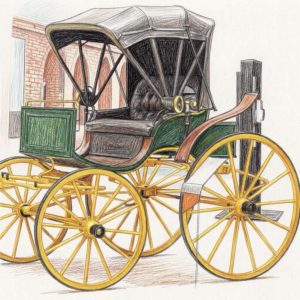
Panel Boot Victoria for a single or pair of horses. Victoria’s are open carriages, driven by a coachman with a footman sitting next to him. The low comfortable body carries two, or occasionally three if it has a folding seat stowed in the back of the boot. The low access, elegant style and comfortable seating made the Victoria very popular with ladies for fine weather use.
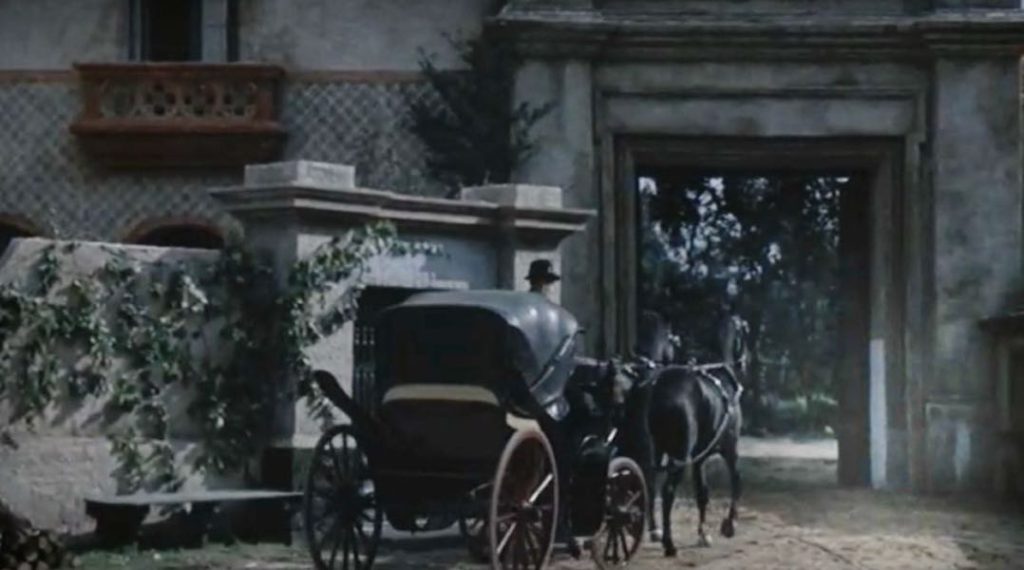
Lord Lonsdale’s Phaeton
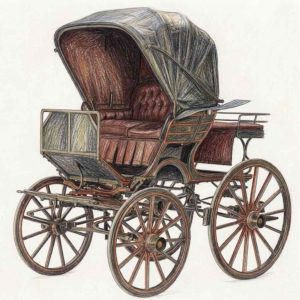
A spider phaeton is a sporty, lightweight, open-frame, four-wheeled horse-drawn carriage from the 19th century that was designed as a fast, owner-driven “sports car” of its day.
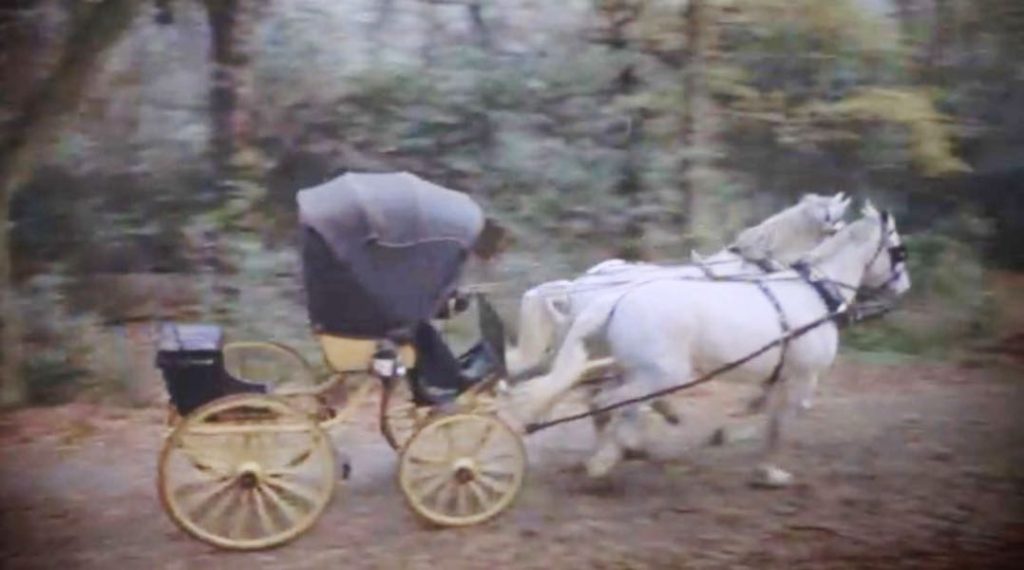
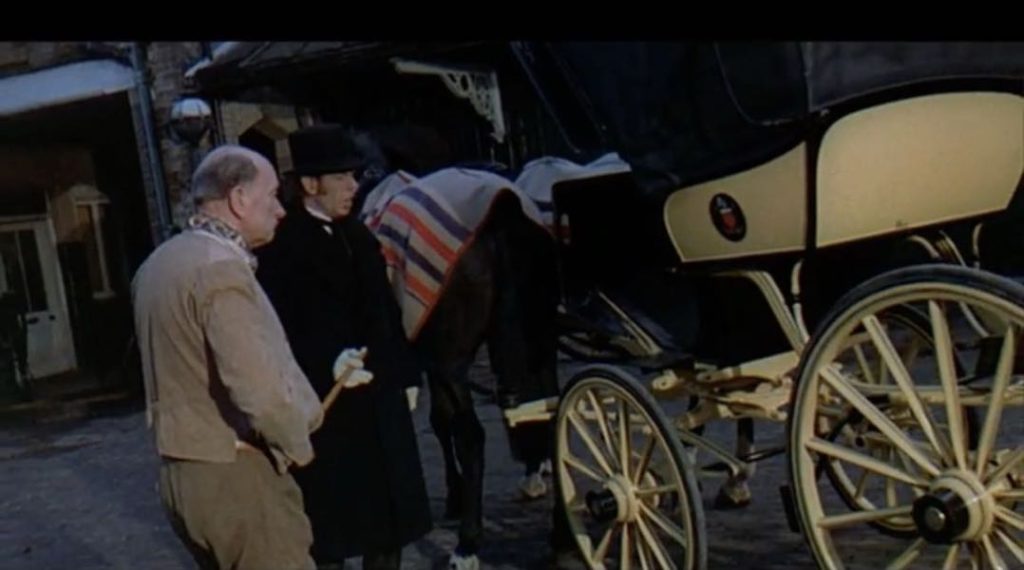
Daumont Postillion Phaeton
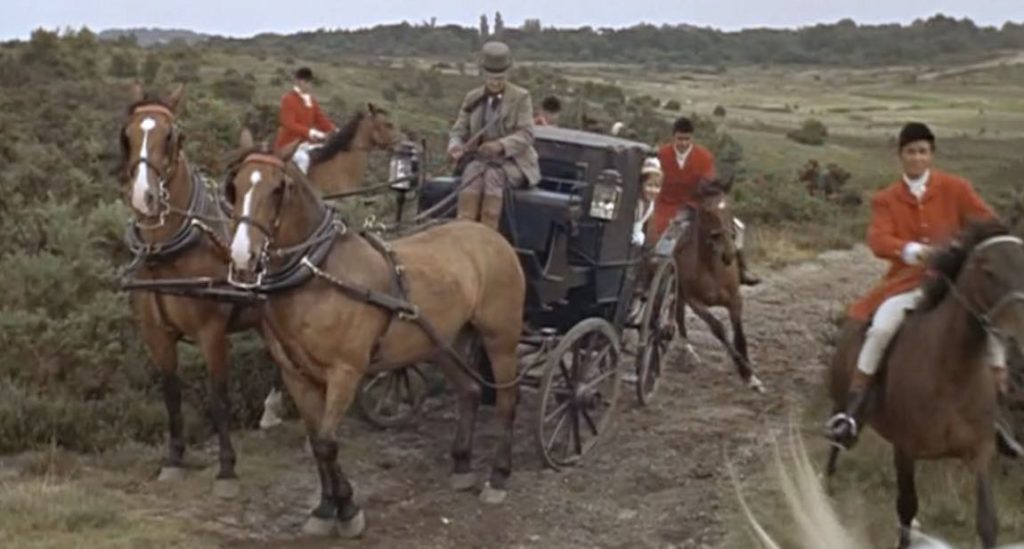
An “à la Daumont” attelage (carriage setup) features a distinctive style of luxury driving without a coachman on the box, where the horses are guided entirely by postillions mounted directly on the left-hand horses. Named after the French Duke of d’Aumont, it is the pinnacle of historical pageantry and grand ceremonial transport.
Square Landau
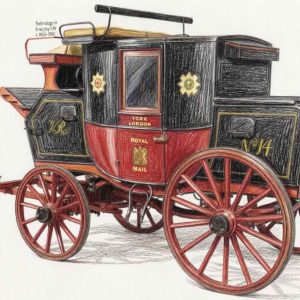
Royal Mail Coach